
No products in the cart.
Return To Shop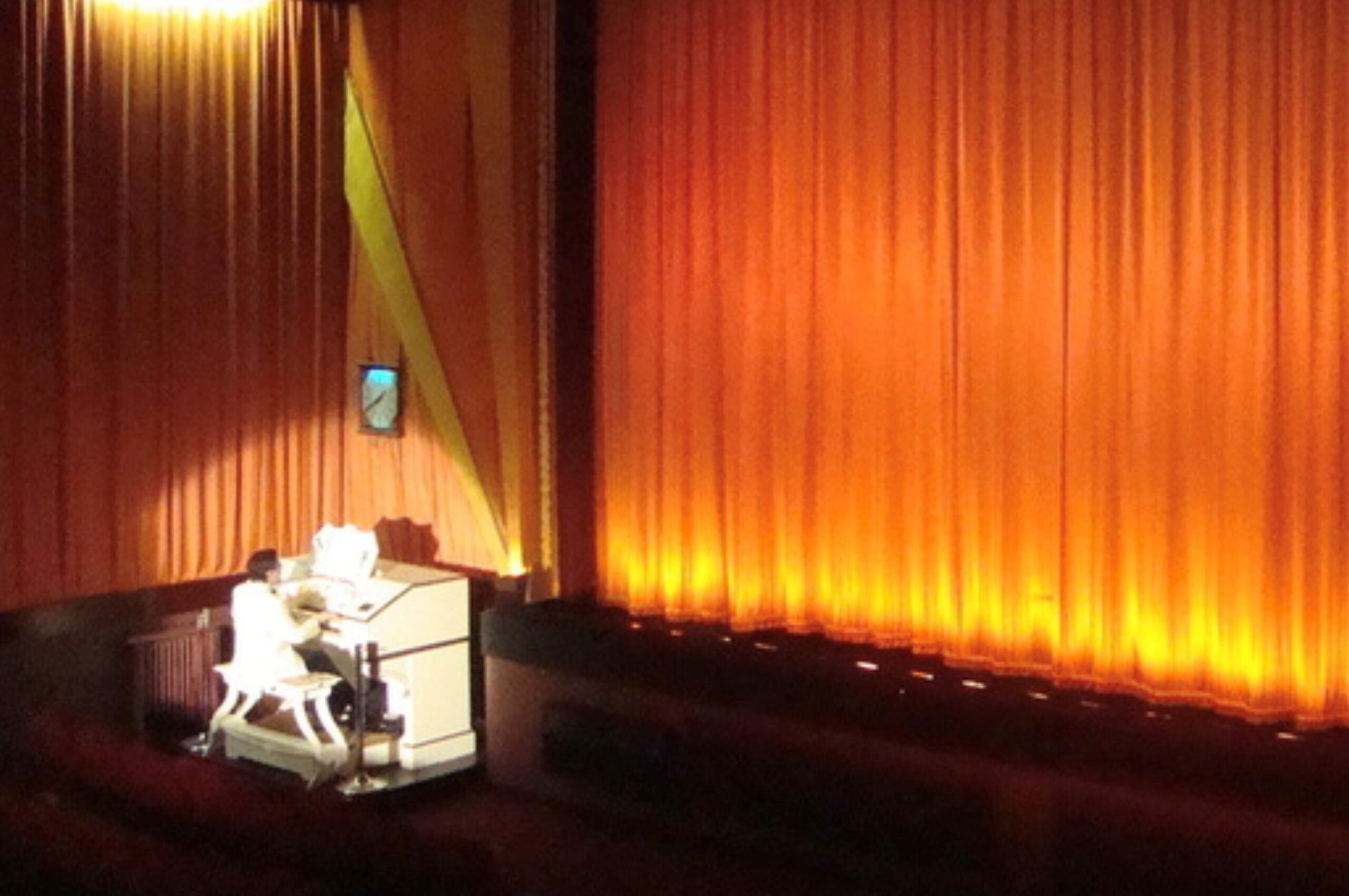
If you’d asked me 20 years ago, I’d have thought the idea of going to a concert performed on a Wurlitzer Organ to be a bit lame. However, when it’s put in the context of being the only Wurlitzer Organ in a working cinema in Europe, it suddenly seems a bit special.
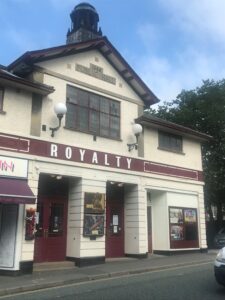
So it was that one Tuesday lunchtime recently I headed over to the Royalty Cinema in Bowness-on-Windermere to hear renowned (in the world of Wurlitzer organs that is) organist Kevin Grunill perform on this extraordinary instrument. A programme including music from Cole Porter, and Neil Sedaka; film scores from Ron Goodwin and other gems all set off by the original 1920’s interior of the cinema created a magical and nostalgic recital.
German immigrant, Rudolf Wurlitzer, founded the company in Cincinnati in 1853. Originally they imported German musical instruments for resale in the United States. Eventually they started manufacturing pianos and organs, most famously the instruments used in the movie theatres to accompany silent movies. With the advent of the “talkie” in the late 1920’s this business went into decline and they ended up manufacturing electric pianos, organs and jukeboxes. Many of the original theatre organs were stripped out and resold overseas or scrapped.
In the UK and Europe however, the Wurlitzers remained popular until the 1950s in theatres, ball rooms, and on seaside piers as a part of the wider entertainment, not just as a means of accompanying silent movies.
The Royalty’s organ was made in 1927 and installed in a theatre in Cleveland, Ohio. In 1934 it came to England to the Rex Cinema in Stratford, East London. In the early 1970’s it was put in to storage until the Furness Theatre Organ Project acquired it and commenced restoration in 2007. The first performance in the Royalty took place in October 2012 and it has been giving regular performances ever since.
To the layman the console of 2 manuals and 7 ranks, which is the technical description, and numerous switches, buttons and pedals could only be operated by a very dexterous octopus.
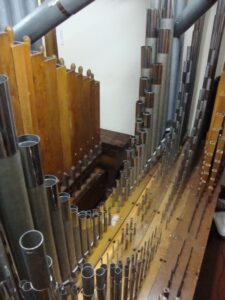
The original cinema pianola can also be operated from the organ keyboard; and under the stage, all operated pneumatically, is a bewildering array of pipes, bells, drums, hooters, maracas and any manner of noise makers imaginable.
All in all it is a truly fascinating instrumental set up, well worth the visit to one of the lunchtime concert or scheduled silent movie screenings.
More info at www.ftop.weebly.com
Hugh Dickson
About author
