
No products in the cart.
Return To Shop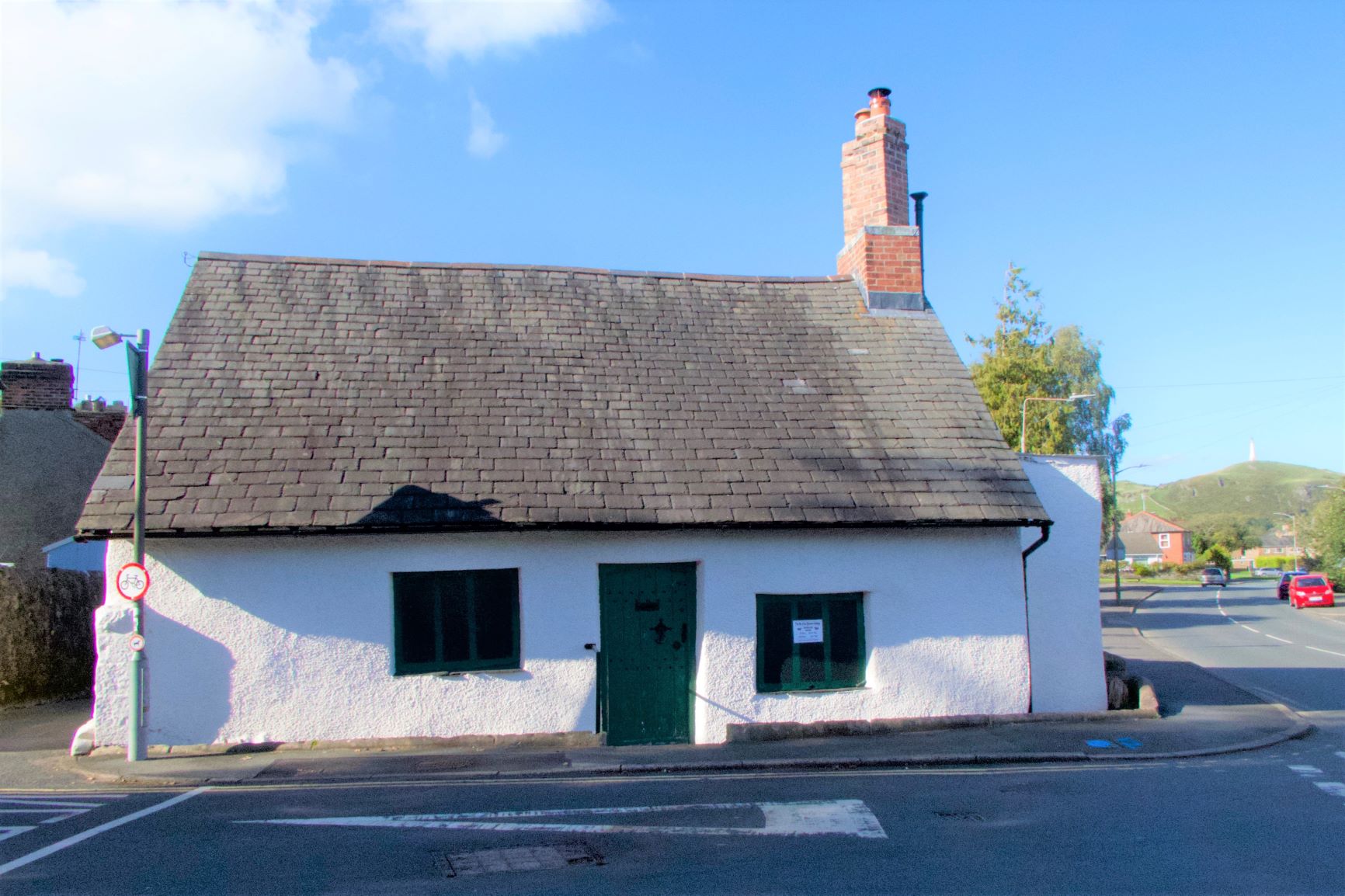
I was recently back in Ulverston, and was able to squeeze-in a revisit to the birthplace of Sir John Barrow, the doyen of Arctic exploration during the Victorian ‘Great Age’, and one of Ulverston’s most famous sons.
The cottage in the headline photo (and see ** footnote below) – now a grade II listed building, managed by a local firm of Archaeologists – was his birthplace, on 19 June 1764.
John Barrow, the son of a yeoman farmer, was educated at Town Bank Grammar School in Ulverston.
He went on a whaling expedition to Greenland aged 16; before the age of 20, he held a variety of important jobs including tutor, surveyor’s assistant and head book-keeper in a Liverpool iron foundry. His CV includes spells with the British embassy in China in 1792; and then in Cape Colony (now South Africa) in 1797, as Private Secretary to the Governor, Lord Macartney.
In 1804 he was appointed Second Secretary to the Admiralty, a post which he held for 40 years, promoting expeditions to Africa (eg crossing the Sahara to find Timbuktu; finding the source of the River Nile, and the mouth of the River Niger) – but his greatest achievements were spearheading arctic exploration to discover the North West Passage.
This was the era which includes the doomed expedition by HMS Erebus and HMS Terror, to find that Passage. (Those seeking a good read won’t be disappointed by Sir Michael Palin’s recent book:“Erebus: The Story of a Ship”.)
Sir John Barrow was one of the founder members of the Royal Geographical Society (1830.)
He died on 23 November 1848, aged 84. His memorial is the Hoad Lighthouse – a replica of Eddystone Lighthouse – paid for by local people (including, reputedly, Queen Victoria) and built, in 1852, within sight of his birthplace. This is visible in the background of the headline photo.
A remarkable ‘local boy made good’ story.
** footnote: The cottage, which contains a large number of ‘Barrow era artefacts’ is in Dragley Beck in Ulverston – at corner of Rake Lane and A5087 Well Lane.
Open: now closed till Easter, then: Friday 11-4; Sunday 1-5. (To avoid disappointment, check with Greenlane Archaeology Ltd – e: info@greenlanearchaeology.co.uk; ph: 01229-588500)
Entrance is free, though “contributions are welcomed”.
About author
