No products in the cart.
Return To Shop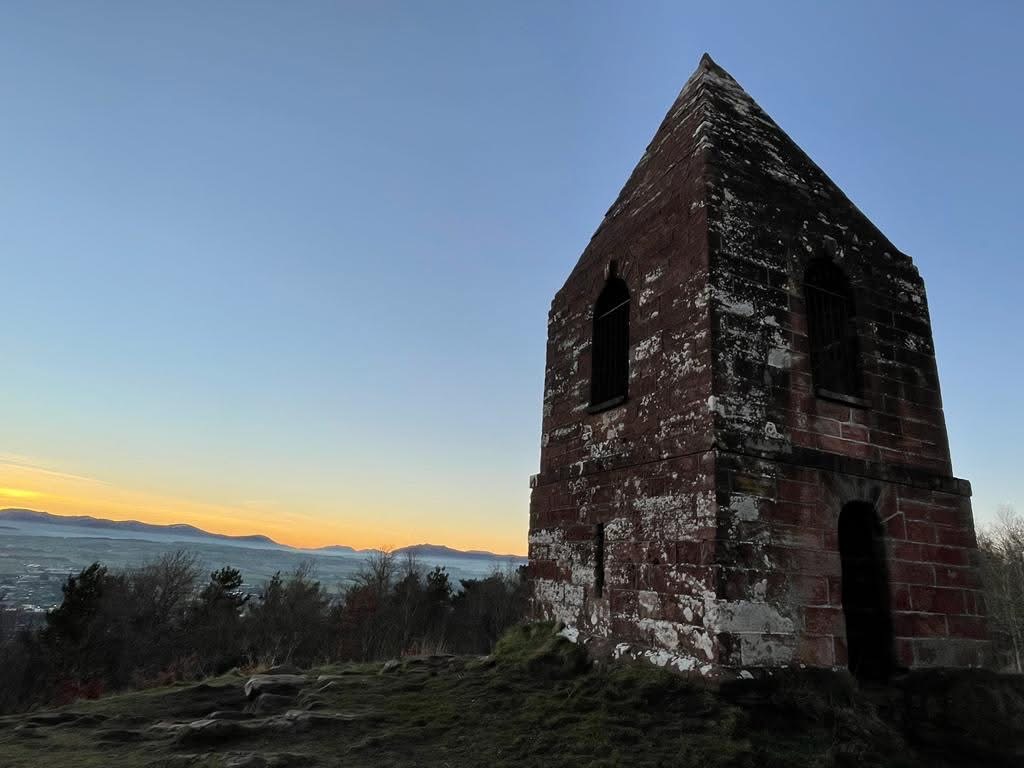
Penrith Walking Tour
The walk starts at Penrith Tourist Information Centre and Museum, located in Robinson’s School (1670) and finishes at Penrith’s war memorial, the gateway to Castle Park, opposite Penrith railway station. On the way you will discover the places where people have lived, worked, traded, fought and worshipped since Neolithic times.
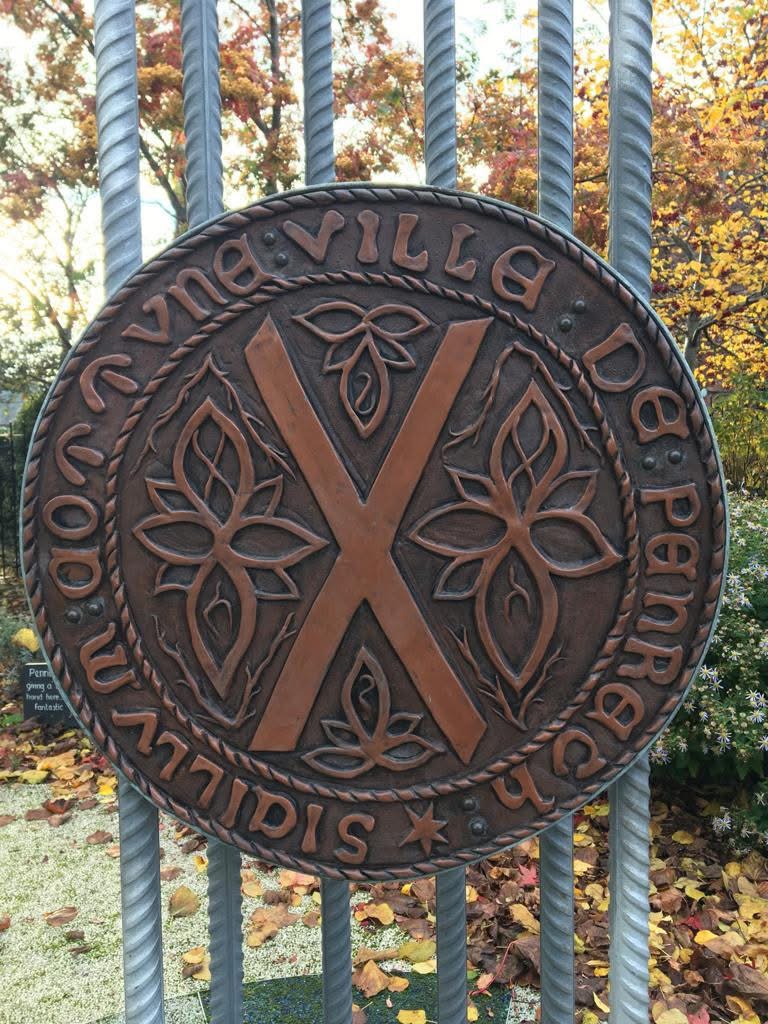
The town has always been a vital meeting point of East/West and North/South trade and travel routes since Roman times close to the crossing point of the River Eamont . This led to the Penrith developing into a thriving trading and agricultural centre. Penrith was also a strategically important defensive position, fought over by England and Scotland for centuries. The town crest has the cross of St Andrew on it!
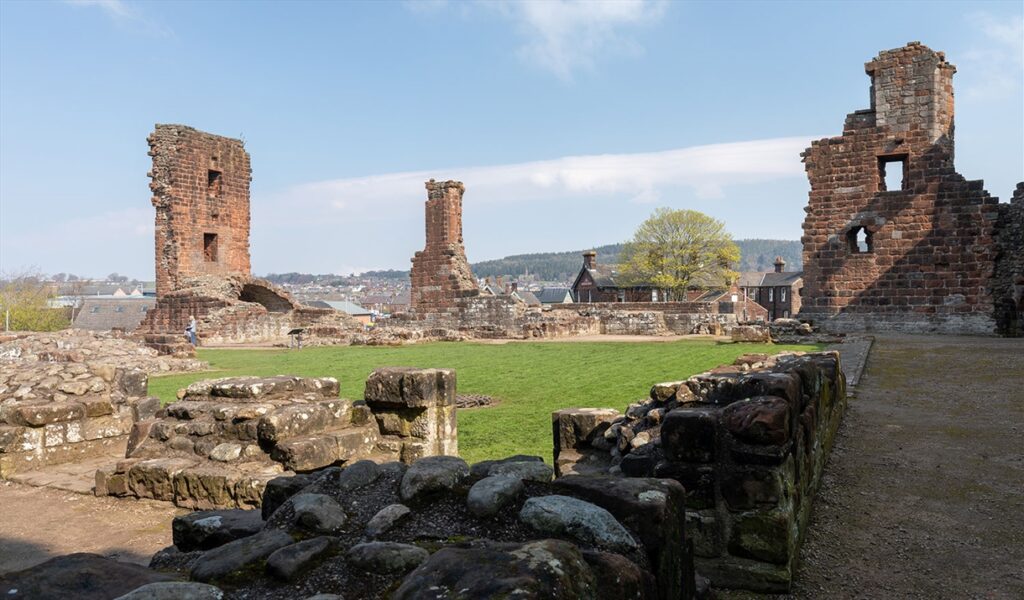
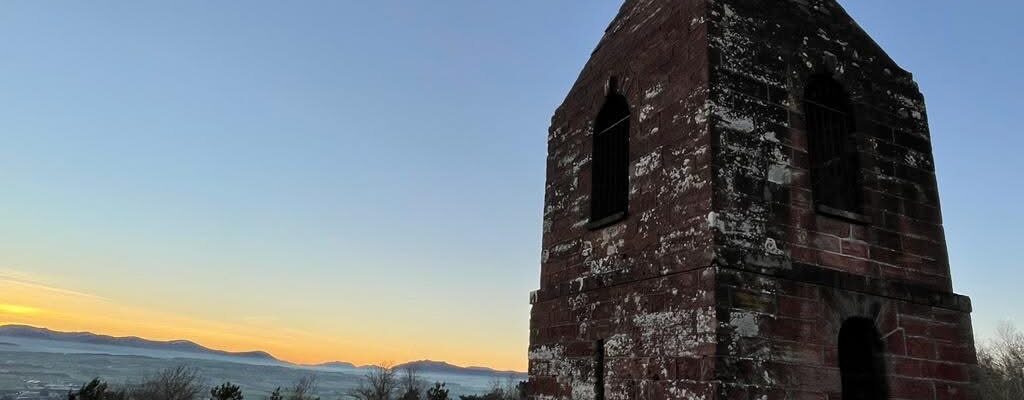
Penrith Castle is now a romantic ruin but it was from here in the 15th Century that Richard, Duke of Gloucester (later Richard III), governed as Warden of the West Marches, attempting to bring law and order to the disputed Border region and control the infamous Border Reiver families. The legacy of this violent era can still be seen today in the defensive Pele towers which have merged into the architecture of the town and the Penrith Beacon, high on the hill above Penrith where fires were lit to warn of impending Reiver raids.
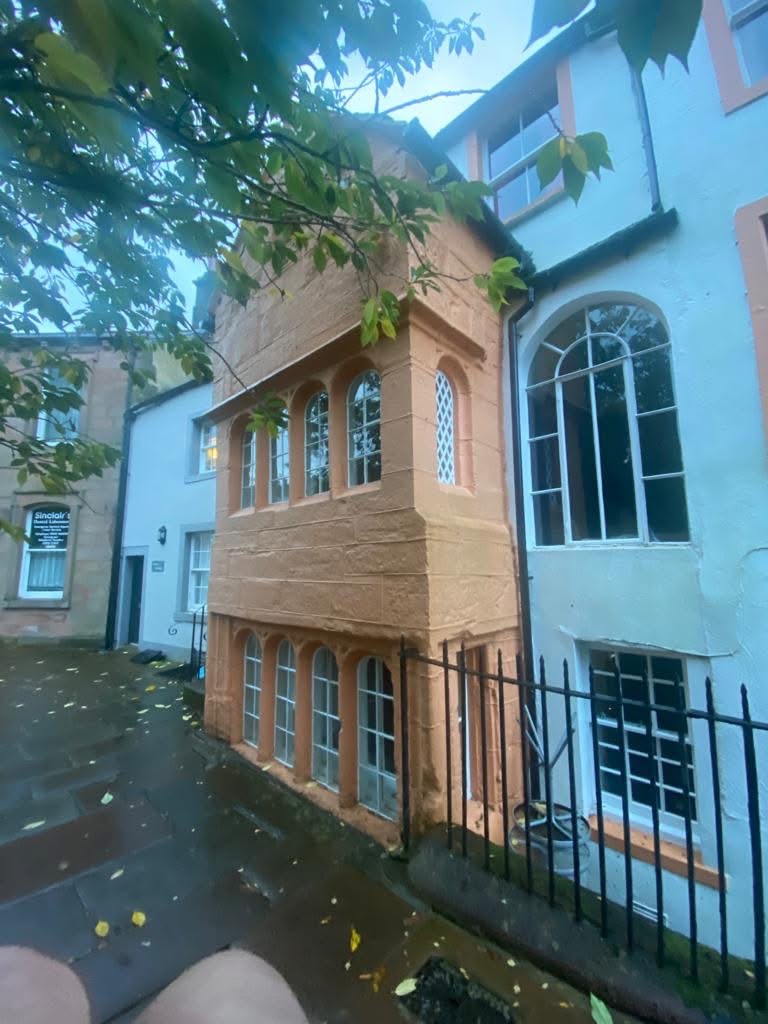
Explore some of Penrith’s yards, built on the burgage plots behind the medieval town houses where large families lived in tiny cottages, and where there were workshops, shops and ale houses crammed together. Visit the corn market, the meat market and the butter market areas and imagine the noise and activity of market days across the ages.
On the way you will hear the stories of the people of Penrith, the notable families of the area and the town’s most famous residents including Trooper William Pearson, who survived the Charge of the Light Brigade in the Crimean War in 1854, William Wordsworth, the great C19th romantic poet, and William Jameson, landlord of the Griffin Inn and Champion Wrestler of England.