
No products in the cart.
Return To Shop
Every April Dalemain Mansion and Gardens in the Lake District is the picturesque setting for an annual celebration that brings together marmalade enthusiasts from around the world. I’d never really thought much about the spread which plays a large part of our breakfast routine but a visit to the awards last week left me in awe of the enthusiasm and craft involved in this citrus flavoured preserve.
History
Marmalade’s origins trace back to the 16th century when citrus fruits first arrived on English shores from the Mediterranean. Initially prized for their medicinal properties, bitter oranges were transformed into a sweet preserve known as “marmalade,” derived from the Portuguese word “marmelada,” meaning quince paste. Over the centuries it has become a part of Britains’s cultural identity, with households across the country perfecting their own recipes and techniques for making this delectable spread.

Preserving Tradition
A staple at many British breakfast tables marmalade holds a cherished place in the hearts of royalty and masses alike, I’m sure we all remember the scenes of the (then) Queen and Paddington Bear enjoying a cup of tea and a marmalade sandwich together ahead of her platinum jubilee celebrations.
17 years before this touching scene a Cumbrian tradition was born. The Dalemain World Marmalade Awards & Festival started as “an idea to celebrate community and educate through cooking, champion marmalade makers and raise money for charity”.
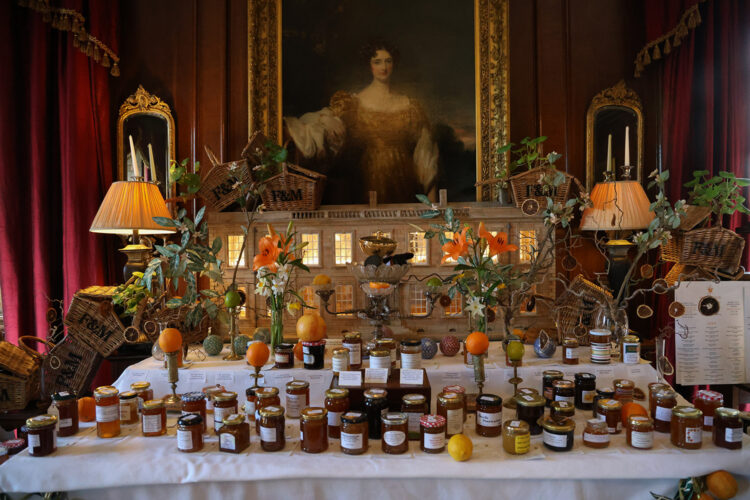
At the start of the year the event now sees thousands of entries from across the globe into one of its 20 categories, ranging from ‘Dark & Chunky’ and ‘Tea Time’, to more niche groups this year such as ‘Campanologists’ and ‘Prisons’, which, referring to the makers, gives you an idea of the varied audience of the show. The competition, run by over a hundred volunteers, who unwrap, label and judge, culminates in an awards ceremony held at the Mansion in April. With ancestral portraits staring down from the walls, the jars of marmalade cover literally every surface available, and each of them has a comment card, thoughtfully prepared by the judges with hints and tips on how to improve for next year.
A Feast for the Senses
From classic Seville orange to exotic grapefruit and ginger, the array of flavors on display is a testament to the creativity and ingenuity of marmalade makers worldwide. The winner has his recipe produced for sale by Fortnum & Mason, the world renown fine food retailer and grocers to the King. Recipient of that honor this year was double gold winner Simon Snead from Tenbury Wells, with a ‘Seville Orange & Lime Marmalade with Red Chilli‘ and a ‘Lime Marmalade with Crème De Cacao‘ he won the ‘Lycetts Signature Savoury Marmalade’ and ‘Merry Marmalade’ categories respectively.

Visitors to the awards can sample a selection of the entries and buy a jar or two of their favourites to take home. They can also listen to talks on all things citrus and take a look around the mansion and gardens, enjoying the historic setting and beautiful spring flowers.

Looking Ahead
Next year will be the 20th anniversary of the festival and will no doubt see a bumper set of entries. I’m pretty sure I will not be taking part but maybe you think you have what it takes or an old family recipe that deserves to see the adulation it deserves? If so, check out the legal definition of Marmalade here, just to make sure your recipe ticks all the boxes. Entry for the 2025 awards opens on the 1st January so there is plenty of time to practice!
About author

About Author
Teresa Williams
Teresa Williams is a qualified Cumbria Blue Badge Guide. She first came to Cumbria in 2018 after eventful career in Advertising, which included time living in the USA, Malaysia and Denmark. Taking the decision to make a change, she and her husband decided to move to the Lake District and find a slower way of life. Teresa has reconnected with her love for nature and art and has now turned her passion for travel into a career. She now enjoys introducing visitors from across the globe to the area, whether that be the stunning landscapes of our National Park or the best spot for an afternoon tea.
You can get in touch with Teresa to book a tour here: teresa@loveouradventure.com
Other posts by Teresa Williams